
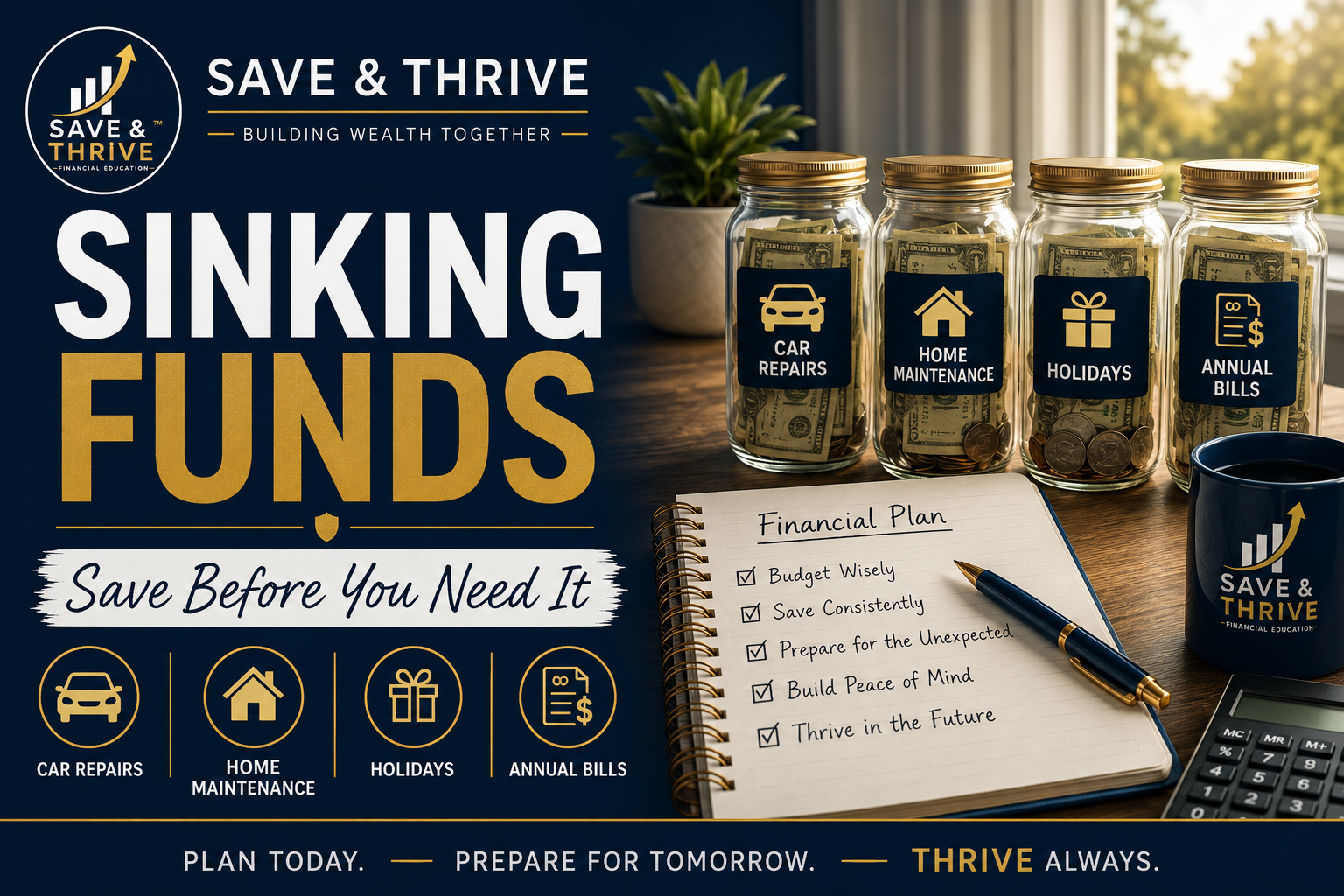
Sinking Funds: How to Save for Expenses Before They Become Emergencies
Sinking funds help you prepare for expenses you know are coming—like car repairs, holidays, home maintenance and annual bills. Learn how setting aside a little at a time can turn future expenses into manageable parts of your monthly plan.

How Much Should You Keep in Your Emergency Fund?
How much emergency savings do you really need? Learn how to calculate your goal, start with a manageable milestone, and build toward three to six months of essential expenses.
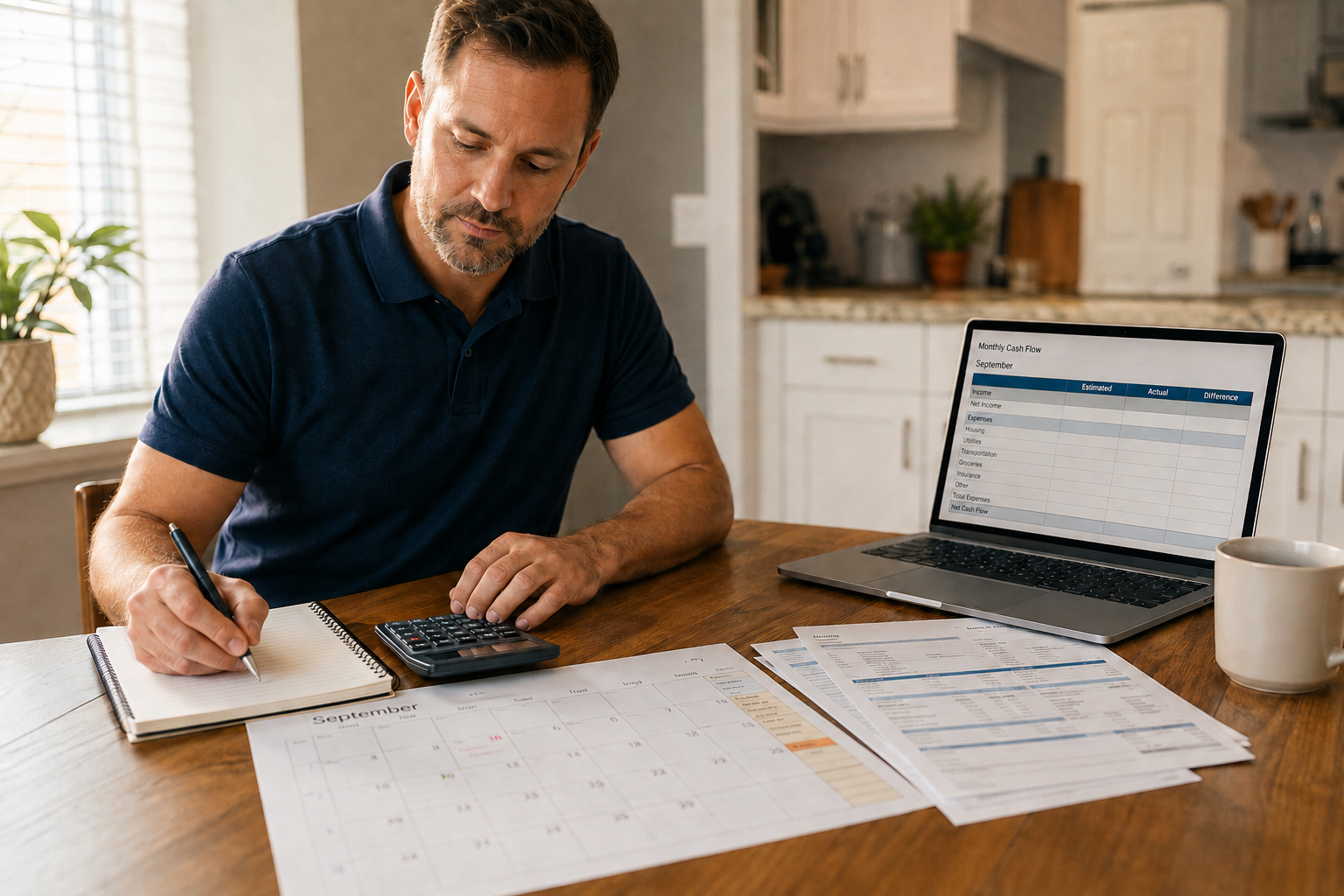
Budget Forecasting Made Simple: Plan Next Month Before It Starts
A monthly budget tells you how much you expect to earn and spend. A budget forecast goes further—showing when money will enter and leave your account so you can identify cash-flow problems before they happen.

How to Build a Monthly Budget You Can Actually Use
A practical monthly budget should reflect your real income, bills, spending, and pay dates. Learn how to build a flexible plan you can review and adjust throughout the month.
Debt Snowball vs. Debt Avalanche: Which Payoff Method Is Right for You?
The debt snowball builds momentum by targeting the smallest balance, while the debt avalanche prioritizes the highest interest rate. Compare both methods and choose a payoff strategy you can follow consistently.


Where Should You Keep Your Emergency Fund?
Your emergency fund should be safe, accessible, separate from everyday spending, and earning interest. Here’s how to compare the best places to keep it.

How One Free T-Shirt Led Me Into Credit Card Debt
A free T-shirt introduced me to credit, but minimum payments and rising limits eventually helped turn one small decision into $25,000 of debt. Here’s what I wish I had understood earlier.